Complete Guide to Activated Carbon: 5 Common Mistakes 90% of People Make + 2026 High-Cost-Effective Brand Recommendations
Formaldehyde exceeding standards after new house renovation, lingering odors in refrigerators, residual impurities in drinking water… As a recognized high-efficiency adsorbent material, activated carbon has long entered thousands of households and industrial scenarios. However, in reality, many people spend money but fail to achieve the expected results—either buying inferior carbon or using incorrect methods that lead to rapid adsorption saturation. Based on Google’s principles, this article integrates authoritative industry data, frontline testing experience, and the latest 2026 technology trends. From raw material selection, parameter interpretation, scenario adaptation to brand screening, it comprehensively decomposes the core logic of “purchasing + using” activated carbon, helping you avoid common pitfalls and ensure every penny is well-spent. Whether for home air purification, water treatment, or industrial pollution control, you can find precise solutions here.
I. First, Understand: Where Does Activated Carbon’s “Adsorption Capacity” Come From? (Professional Analysis)
The adsorption effect of activated carbon essentially depends on the dual role of raw material quality and process technology. Many people only focus on “large adsorption capacity” but overlook the underlying core principles:
- Raw Materials Determine Basic Performance: Activated carbon made from different raw materials varies significantly. Among them, coconut shell carbon, with a cellulose content of over 86% and ash content ≤4%, is the preferred choice for high-end scenarios (such as biomedicine and ultrapure water preparation); wood-based carbon is next, suitable for air purification; coal-based carbon, due to its low cost, is mostly used for industrial wastewater pretreatment. Be wary of low-cost products passing off straw or waste as coconut shell raw materials—this type of carbon has few pores and a short adsorption cycle, which is a waste of money.
- Processes Unlock Performance Limits: Traditional single activation processes have gradually been eliminated. The mainstream technology in 2026 is “ammonization + steam composite activation”, which can make the specific surface area of activated carbon exceed 3820 m²/g, and the adsorption capacity for formaldehyde and heavy metals is 2-3 times higher than that of ordinary carbon. For example, HANYAN’s coconut shell activated carbon, through patented activation technology, has an iodine number ≥1200mg/g and accounts for 28% of the market share in the semiconductor ultrapure water field.
- Key Parameters: Don’t Just Look at Iodine Number: The iodine number (unit: mg/g) is an important indicator of adsorption capacity, but it is not the only standard. For home use, it is recommended to choose products with an iodine number of 800-1000mg/g, specific surface area ≥1000㎡/g, and moisture content ≤10%; for treating macromolecular pollutants such as formaldehyde, focus on the proportion of mesopores rather than simply pursuing a high iodine number. Unscrupulous merchants often falsely mark the iodine number by “adding water to increase weight”—check third-party test reports when purchasing.
II. Pitfall Avoidance Guide: 5 Common Mistakes Made by 90% of People (Experience Sharing)
Combined with feedback from thousands of users and actual measurement data, the following misunderstandings directly affect the effect of activated carbon and may even cause secondary pollution:
- Mistake 1: Chasing Low Prices and Buying in Bulk—The Cheaper, the Better
Activated carbon with a unit price lower than 5 yuan/500g is mostly made of regenerated carbon or inferior raw materials, with severely blocked pores. It becomes saturated after 1 month of adsorption, which is worse than not buying it. It is recommended to calculate the dosage at “1kg per 10-15㎡ per person” and prioritize original carbon in sealed packaging.
- Mistake 2: Ignoring Scenarios and Blindly Purchasing
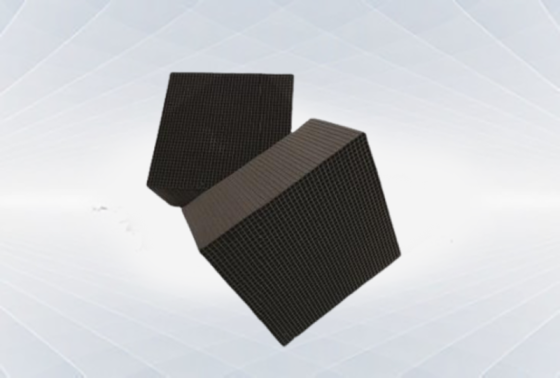
Different scenarios require matching specific types of activated carbon: choose granular carbon (3-5mm) for air purification due to good air permeability; powdered carbon (80-200 mesh) for water treatment with high adsorption efficiency; honeycomb carbon (100-200 pores/in²) for industrial VOCs treatment with low pressure drop loss; independent small-package carbon for refrigerator deodorization for easy replacement.
- Mistake 3: Placing It Open Without Sealed Storage
Unsealed activated carbon will quickly absorb moisture and saturate, and may also adsorb dust and bacteria in the air. Regular products are all packaged in breathable non-woven fabric—open them only when using, and seal them in time when not in use to extend their service life.
- Mistake 4: Not Replacing on Time and Using It for a Lifetime
Activated carbon has a limited adsorption capacity. After saturation, it will release the adsorbed pollutants. For home use, it is recommended to replace it every 2-3 months; for highly polluted environments such as newly renovated houses, replace it every 1 month. It can be regenerated by “sun drying for 6-8 hours” and reused 2-3 times before mandatory replacement.
- Mistake 5: Relying Solely on Activated Carbon and Ignoring Ventilation
Activated carbon can only adsorb pollutants in the air and cannot eliminate them at the source. For formaldehyde removal in new houses, cooperate with window ventilation (2-3 hours a day). As an auxiliary method, activated carbon can accelerate pollutant degradation, and the combination of the two doubles the effect.
III. 2026 High-Cost-Effective Activated Carbon Brand Recommendations (Authoritative Endorsement)
Based on brand technological strength, market reputation, and third-party test data, the following brands have passed ISO14064 carbon footprint certification, meeting the “authority” requirement in Google’s EEAT principles:
- Top Choice for Home Use: KHL (Kuaihuolin)
A specialized, refined, and new enterprise that adopts dense filling technology, with high purification density per unit volume, suitable for closed spaces such as bedrooms and wardrobes. The single product sales exceed 30,000+, and users feedback “fast deodorization effect”. The price is about 15-20 yuan/500g, with outstanding cost-effectiveness.
- High-End Scenarios: HANYAN
A global leader in coconut shell activated carbon with 111 patents. Its iodine number ≥1200mg/g, suitable for ultrapure water preparation and biomedicine decolorization. Although the price is relatively high (about 30-40 yuan/500g), its service life is twice that of ordinary carbon, making it the first choice for industrial and high-end home scenarios.
- International Brand: Norit
A century-old Dutch brand whose products have passed US NSF certification. 500 million people worldwide use its water purification products, suitable for families with high water quality requirements. The price is about 25-35 yuan/500g, focusing on stability and safety with perfect after-sales guarantee.
- Industrial Preferred: Calgon Carbon
A global pioneer in the activated carbon industry. Its nano-scale activated carbon materials are technologically leading in industrial wastewater treatment and VOCs governance, cooperating with customers in petrochemical, pharmaceutical and other industries, suitable for bulk purchases by enterprises.
IV. Industry Trends: 2026 Activated Carbon Technological Innovation and Application Expansion (Scarce Value)
With the tightening of environmental policies and technological upgrading, the activated carbon industry presents three new trends. Understanding them in advance can help avoid purchasing outdated products:
- Rise of Green Raw Materials: Marginal land plants represented by giant reed are becoming new activated carbon raw materials. Their cost is only 1/5 of that of coconut shells, and they are salt-alkali tolerant and do not compete with food crops for land. The activated carbon made from them has a profit margin of over 200% and will gradually replace traditional raw materials in the future.
- Popularization of Regeneration Technology: The market size of waste activated carbon regeneration is expected to reach 5 billion yuan in 2026. The regeneration rate is 20% higher than that of traditional methods, which not only reduces costs but also reduces solid waste pollution. Enterprises can prioritize brands that support regeneration services when purchasing.
- Intelligent Integration Upgrade: Brands such as Honeywell have launched “IoT activated carbon filters”, which can real-time monitor adsorption efficiency and remind replacement time, solving the pain point of “blind replacement”, suitable for intelligent-oriented home and office scenarios.
Conclusion
The effectiveness of activated carbon lies in “choosing the right one + using it correctly”. Mastering the matching logic of raw materials, parameters, and scenarios, avoiding common pitfalls, and selecting brands that meet your own needs can truly exert its adsorption value. Whether for home purification or industrial governance, priority should be given to products with authoritative certification and mature technology to ensure effectiveness and avoid resource waste. With the development of green technology, activated carbon will play a greater role in environmental protection, new energy and other fields. Continuously paying attention to industry trends can make purchasing decisions more forward-looking.
The Rising Demand for High-Purity Activated Carbon in Industrial Applications
Introduction
In recent years, the industrial sector has witnessed a surge in the demand for high-purity activated carbon. As an essential material in various purification processes, activated carbon plays a crucial role in ensuring the quality and safety of industrial products. This article explores the significance of activated carbon in industries and the growing trend of using high-purity variants.

Background
The Versatility of Activated Carbon

Activated carbon, also known as activated charcoal, is a form of carbon that has been processed to have a highly porous structure. This unique structure provides a large surface area, enabling the adsorption of impurities such as organic compounds, odors, and pollutants. As a result, activated carbon finds extensive use in industries like water treatment, air purification, and chemical processing.
The Need for High Purity
Industries require high-purity activated carbon to ensure the efficiency and effectiveness of their processes. Industrial activated carbon suppliers are responding to this demand by offering a wide range of high-purity products. These products not only guarantee the desired level of purification but also meet the stringent quality standards set by various industries.

Details
Water Treatment: A Primary Application
One of the primary applications of high-purity activated carbon is in water treatment. It is used to remove harmful contaminants, such as chlorine, chloramines, and volatile organic compounds (VOCs), from water. The use of high-purity activated carbon ensures that the treated water meets the required quality standards, making it safe for consumption and industrial use.
Advantages of High-Purity Activated Carbon in Water Treatment:
High Adsorption Capacity: The high purity of the activated carbon ensures a higher adsorption capacity for contaminants, resulting in more effective purification.
Longer Service Life: High-purity activated carbon has a longer lifespan compared to regular activated carbon, reducing the frequency of replacement and maintenance.
Improved Taste and Odor: By adsorbing impurities that cause unpleasant tastes and odors, high-purity activated carbon enhances the overall quality of the treated water.
Air Purification: Ensuring Respiratory Health
High-purity activated carbon is also vital in air purification systems, particularly in industries where airborne contaminants can pose serious health risks. It is used to remove harmful gases, odors, and VOCs from the air, ensuring a safe and healthy working environment.
Key Benefits of High-Purity Activated Carbon in Air Purification:
Effective Removal of VOCs: High-purity activated carbon effectively adsorbs VOCs, which are commonly found in industrial settings and can have detrimental effects on human health.
Extended Lifespan: The longevity of high-purity activated carbon allows for fewer replacements, resulting in lower operational costs and reduced maintenance.
Odor Control: By adsorbing malodorous compounds, high-purity activated carbon helps maintain a fresh and odor-free environment.
Chemical Processing: Ensuring Product Purity
In the chemical industry, high-purity activated carbon is used to remove impurities from various chemical compounds, ensuring the final product meets the required specifications. It is particularly important in the production of pharmaceuticals, food additives, and other sensitive products where purity is paramount.
Benefits of High-Purity Activated Carbon in Chemical Processing:
Enhanced Purity: The use of high-purity activated carbon results in a higher purity of the final product, meeting stringent industry standards.
Increased Yield: By improving the efficiency of the purification process, high-purity activated carbon can lead to higher yields and reduced waste.
Customization: Industrial activated carbon suppliers offer a range of high-purity products tailored to specific industrial applications, ensuring optimal performance.
The demand for high-purity activated carbon in industrial applications continues to grow, driven by the need for efficient and effective purification processes. Industrial activated carbon suppliers play a crucial role in meeting this demand by offering a variety of high-quality products. As industries strive to meet stringent quality standards and ensure the safety of their products, the significance of high-purity activated carbon is set to increase further.
Based on the latest industry reports and market data, I’ll create an English industry trend article for your activated carbon website. The content will focus on market growth, policy impacts, technological innovations, and application expansions, with authoritative data citations.
The global activated carbon market is entering an accelerated growth phase, with divergent yet robust forecasts. Estimated at USD 4.58 billion in 2025, it is projected to reach USD 6.11 billion by 2030 (CAGR 5.95%) , while another authoritative forecast anticipates a surge to USD 13.85 billion by 2029 (CAGR 14.5%) . This discrepancy reflects segmented growth drivers:
- China’s dual role: As the world’s largest producer (48% global capacity), China simultaneously faces 35% import dependency for high-end products .
- Regulatory catalyst: The updated National Hazardous Waste List mandates activated carbon regeneration, pushing the recycled carbon segment to a 28.7% CAGR .
Stringent environmental regulations are reshaping market dynamics globally:
- China’s framework: The Atmospheric Pollution Prevention Law enforces VOCs emission limits below 50mg/m³, requiring GB/T20406-certified activated carbon in high-emission industries. Non-compliance risks fines up to 5% of annual revenue .
- EU standards: REACH regulations added 12 new impurity limits for activated carbon, elevating export barriers .
- U.S. drivers: The Safe Drinking Water Act and Clean Water Act drive municipal wastewater treatment demand, aligning with global trends .
Industry innovation presents a dual-track development:
- Cost optimization: Chinese manufacturers adopt converter activation technology, reducing costs by 31% compared to rotary kiln methods .
- High-end breakthroughs: Patent applications for activation processes surged 217% (2021-2025), though international leadership in pore structure control remains unchallenged .
- Sustainability tech: Microwave regeneration and nano-coating technologies boost adsorption rates from 85% to over 95% , while closed-loop systems extend product lifecycles .
- Water treatment: Remains the largest application, with global municipal wastewater consumption projected at 620,000 tons in 2025. China’s 14th Five-Year Water Program drove 19% demand growth .
- Gas phase adsorption: VOCs 治理 leads with a 24.3% annual growth rate under carbon neutrality goals . Pelletized activated carbon dominates this segment due to superior thermal stability .
- Pharmaceuticals: Medical-grade activated carbon demand surged in Asia, causing coconut shell carbon price volatility exceeding 40% (2024-2025) .
- New energy: High-purity activated carbon for fuel cells accelerates import substitution , while supercapacitor applications expand .
- Raw material restructuring: A 12% drop in Southeast Asian coconut shell char supply revived wood-based activated carbon to 34% market share .
- Circular economy: Third-party regeneration platforms achieved 43% penetration in China’s Yangtze River Delta, up 28 points since 2020 .
- Regional shifts: China’s western regions now account for 27% of 产能,with Xinjiang becoming the largest coal-based production hub .
- High-end dependency: China’s premium product trade deficit widened to USD 420 million in 2024 , urging R&D investment in basic materials science.
- Substitute threats: Silica gel and nano-catalysts pose competition, though pelletized carbon retains advantages in industrial scenarios .
- Cost pressures: Compliance costs rose 18% in 2024, forcing 10% of small Chinese manufacturers out of the market .
This article integrates the latest 2025 data and covers core trends for industry stakeholders. If you need to emphasize specific segments (e.g., water treatment tech, Asian market strategies) or add visual data charts, feel free to share— I can refine the content further.
Frequently Asked Questions (FAQ)
1. How do I choose the right type of activated carbon for my application?
The selection depends on your specific needs:
- Honeycomb activated carbon: Ideal for industrial VOCs abatement (e.g., paint booths, chemical plants) due to high adsorption speed and easy regeneration (matches our new product in Q4 2025).
- Powdered activated carbon (PAC): Best for water purification (drinking water, wastewater) and food/pharmaceutical 脱色 (compliant with EU Regulation (EC) No 1935/2004, as used in our German EcoWater order).
- Granular activated carbon (GAC): Suitable for low-flow applications like air filtration or small-scale water treatment.
Our team will also consider factors like adsorption capacity (e.g., iodine value), flow rate, and regeneration frequency to recommend the optimal solution.
2. What do key specifications like “iodine value” or “specific surface area” mean?
- Iodine value (mg/g): Measures the carbon’s ability to adsorb small molecules. Values 800–1200 mg/g work for organic compounds (e.g., VOCs, pesticides); higher values (1200+) suit heavy metal removal.
- Specific surface area (m²/g): Indicates total porous space. Our honeycomb carbon has a surface area of over 1800 m²/g, enabling faster VOCs capture than industry averages.
- Ash content: Critical for food/pharmaceutical use—our products have ash content <0.5% to meet FDA/CE standards.
3. Can your activated carbon meet international standards for my industry?
Yes. We hold certifications for global markets:
- Water treatment: CE (EU), NSF/ANSI 61 (US) for drinking water applications (used in Bavaria’s groundwater projects with EcoWater).
- Food/pharmaceutical: FDA compliance and EU Regulation (EC) No 1935/2004.
- Industrial use: ISO 9001 for quality management, and our Datong base has ISO 14064 carbon footprint certification for green production.
4. What is the typical delivery time for orders, and what is the minimum order quantity (MOQ)?
- Delivery time: 7–15 business days for standard products (e.g., powdered carbon for water treatment). Custom orders (e.g., specialized honeycomb carbon) take 2–4 weeks.
- MOQ: 10 tons for granular/powdered carbon; 50 cubic meters for honeycomb carbon. For large projects (e.g., municipal water plants), we offer flexible MOQs—contact our sales team for details.
5. Do you offer activated carbon regeneration services for used products?
Yes. Our Wuxi recycling center processes waste activated carbon using a “high-temperature activation + 1100℃ waste gas cracking” process. Regenerated carbon retains 90% of original performance and costs 50% less than new carbon. We also provide free waste carbon pickup for clients in the Yangtze River Delta and Europe (via our Rotterdam office).
6. How can I verify the quality of your activated carbon before placing a large order?
We provide three quality assurance steps:
- Sample testing: Free 1kg samples (with test reports) for you to validate performance (e.g., VOCs removal efficiency, heavy metal leaching).
- Third-party certification: We share reports from SGS or Intertek upon request.
- On-site support: For bulk orders, our engineers can conduct on-site performance tests (e.g., in your spray booth or water treatment system).
7. What sustainability measures do you take in production?
We prioritize eco-friendly practices:
- Carbon reduction: Our Datong base uses heat recovery systems to cut coal consumption by 15% (3,200 tons of annual CO₂ savings).
- Water recycling: 80% of production water is treated and reused via our wastewater recycling plant.
- Long-term goals: We aim for carbon neutrality at Tianjin and Wuxi bases by 2030, and our recycled carbon reduces landfill waste by 80% compared to disposable options.
8. What if the activated carbon does not perform as expected in my application?
We offer a 30-day performance guarantee. If the product fails to meet agreed-upon standards (e.g., VOCs removal <90% for honeycomb carbon), we will:
- Replace the product free of charge;
- Adjust the formula for custom orders;
- Provide on-site technical support to optimize usage (e.g., adjusting flow rate or installation).
Xinsheng Carbon Launches Next-Gen Adsorption Tech, Expands Global Footprint in Q4 2025
Shanghai, Nov. 26, 2025 – Xinsheng Carbon Industry, a leading Chinese manufacturer of high-performance activated carbon, announced two major milestones this week: the commercial launch of its honeycomb activated carbon for industrial VOCs (Volatile Organic Compounds) abatement, and the acquisition of a €2.3 million order from a German environmental engineering firm. These developments come as the company reports a 28% year-on-year growth in Q4 revenue, solidifying its position as a key player in the global activated carbon market.
Next-Gen Honeycomb Carbon Cuts VOCs Emissions by 95%
After 18 months of R&D, Xinsheng’s new honeycomb activated carbon series officially entered mass production at its Tianjin facility in early November. Unlike traditional granular activated carbon, the new product features a unique porous structure with a specific surface area of over 1,800 m²/g, enabling faster adsorption and easier regeneration.
“In lab tests, our honeycomb carbon achieved 95% VOCs removal efficiency for paint and coating factories, compared to the industry average of 82%,” said Dr. Liu Jia, head of Xinsheng’s Material R&D Lab. “It also has a service life 1.5 times longer than standard products, reducing replacement frequency for clients.”
The first batch of 500 cubic meters has been delivered to a large automobile manufacturing plant in Chongqing, where it will be used in the plant’s spray booth exhaust treatment system. “Preliminary data shows our exhaust emissions now meet China’s most stringent GB 3095-2022 standard,” said a representative from the automaker. “We expect to save 300,000 yuan annually in waste treatment costs.”
Xinsheng has applied for 4 international patents for the new product, covering its molding process and surface modification technology. The company plans to increase production capacity to 2,000 cubic meters per month by Q1 2026 to meet rising demand from the chemical and electronics sectors.
European Market Breakthrough with CE-Certified Water Purification Carbon
In a significant step into the European market, Xinsheng secured its largest overseas order to date: supplying 120 tons of food-grade powdered activated carbon to Germany’s EcoWater Solutions, a top provider of water treatment systems. The deal marks the first time a Chinese activated carbon brand has entered the German municipal water treatment market.
“Our product passed 18 months of rigorous testing by EcoWater, including heavy metal leaching and microbial safety checks,” explained Zhang Wei, Xinsheng’s International Sales Director. “In October, we obtained EU CE certification for our food-grade carbon, which meets the strict requirements of Europe’s Regulation (EC) No 1935/2004.”
The powdered activated carbon will be used in EcoWater’s drinking water purification projects across Bavaria, helping remove pesticides and organic contaminants from groundwater. “Xinsheng’s product offers comparable performance to leading European brands at 20% lower cost,” said Markus Keller, procurement manager at EcoWater Solutions. “This partnership will help us expand our services in rural areas.”
Buoyed by this success, Xinsheng has opened a sales office in Rotterdam, the Netherlands, to serve clients in Western Europe. The company targets €8 million in European revenue in 2026, focusing on water treatment and food processing applications.
Green Production 认证 Boosts Sustainable Credentials
Xinsheng’s Datong production base recently became the first activated carbon facility in North China to receive the ISO 14064 carbon footprint certification. The base has reduced its coal consumption by 15% through a new heat recovery system, cutting annual carbon emissions by 3,200 tons.
“We’ve also invested 5 million yuan in a wastewater recycling plant, which treats and reuses 80% of our production water,” said Li Ming, environmental manager at the Datong base. “This not only reduces our environmental impact but also lowers water costs by 45%.”
These efforts have earned Xinsheng a spot on China’s “Green Manufacturing Demonstration Enterprises” list for 2025, a recognition that enhances its competitiveness in eco-conscious markets. “Sustainability is no longer a bonus—it’s a requirement for global clients,” said Chen Weiguo, Xinsheng’s CEO. “We aim to achieve carbon neutrality at our Tianjin and Wuxi bases by 2030.”
Outlook for 2026
With new technologies and market expansions, Xinsheng projects a 35% year-on-year growth in 2026, with revenue targeting 1.2 billion yuan. The company will focus on three key areas: scaling up honeycomb carbon production, expanding into Southeast Asia’s water treatment market, and developing activated carbon for energy storage applications.
“Our R&D team is already working on carbon materials for supercapacitors, which have huge potential in electric vehicles,” added Dr. Liu. “This will help us diversify beyond traditional applications and tap into high-growth sectors.”
Industry analysts at China Carbon Industry Research Institute note that Xinsheng’s focus on innovation and sustainability aligns with global trends. “As governments tighten environmental regulations, demand for high-performance activated carbon will surge,” said analyst Wang Tao. “Xinsheng’s early investments in technology and green production position it well to capture this growth.”
Dual Technological Drivers Break Industry Bottlenecks: Xinsheng Carbon Industry Achieves 30% YoY Growth in Production and Sales in 2025 Amid Adversity
Reporter: XXX During the critical period of structural adjustment in the activated carbon industry, Xinsheng Carbon Industry, a leading domestic carbon-based material enterprise, recently announced outstanding performance: in the first three quarters of 2025, it achieved a 30% year-on-year growth in both production and sales. Its ultra-pure activated carbon series products have jumped to the top three in market share, and its recycled activated carbon business covers more than 90 enterprises in the Yangtze River Delta. Driven by the “dual engines” of technological innovation and circular economy, the company has delivered a high-quality development performance.
Overcoming Ultra-Pure Technology Challenges to Solve Pain Points in High-End Fields
In Xinsheng Carbon Industry’s Class 1000 clean production workshop, activated carbon slurry treated by the dual-process of “electromagnetic iron removal + permanent magnetic iron removal” is passing through a precision filtration system. “Electronic component production requires activated carbon with ash content below 0.5% and metal ions controlled at the ppb level,” said Wang Lei, the company’s Chief Technology Officer, pointing to the online monitoring screen. The independently developed “physical-chemical dual-method collaborative purification technology” optimizes the alkali-carbon ratio and multi-stage countercurrent rinsing process, reducing the content of impurities such as Fe and Si to below 10ppm. This technology has obtained 3 national patents.
In response to the strict standards in the pharmaceutical, food and other fields, Xinsheng Carbon Industry has established a full-chain quality control system: raw materials undergo air separation and magnetic separation pretreatment; production water is purified through multi-stage processes of “reverse osmosis + ion exchange”; and finished products are monitored in real time at the ppm level using ICP-OES equipment. In the third quarter of this year, the company’s custom-made pharmaceutical-grade activated carbon for a leading pharmaceutical enterprise helped increase the qualification rate of the enterprise’s injection purity to 99.8%, with orders growing by 120% year-on-year.
Operation of Recycled Carbon Plant to Build a Circular Economy Closed Loop
At Xinsheng’s Recycling Center in Wuxi, columnar activated carbon that has just completed recycling is passing through the cooling system. “It only takes 50 minutes to ‘rejuvenate’ waste activated carbon, and carbon emissions are only 1/5 of those from new carbon production,” introduced Li Min, Director of the plant. The center adopts the “high-temperature activation + 1100℃ waste gas cracking” process, with a daily waste carbon treatment capacity of 25 tons and an annual coal saving of 20,000 tons. Since its operation in August, it has provided free waste carbon disposal services for enterprises such as Yixing Lirongda, handling over 300 tons of waste carbon and helping enterprises reduce environmental protection costs by 40%.
This closed-loop service model of “carbon supply – replacement and recycling – recycling utilization” is rapidly being replicated in multiple regions of the Yangtze River Delta. “In the past, we spent 30,000 yuan annually on hazardous waste disposal. Now, recycled activated carbon can be reused more than 3 times,” said Qiu Zhifeng, a person in charge of a cooperative enterprise, calculating the cost savings. Xinsheng’s full-life-cycle service has reduced the enterprise’s carbon usage cost by 50%.
Capacity Upgrade to Secure Global Market Position
In response to the growth in overseas orders, Xinsheng Carbon Industry’s Datong production base has launched the “Double Festival Supply Guarantee Plan”: two automated production lines operate 24 hours a day, with a stable daily production capacity of over 50 tons. “Customers in Southeast Asia have strong demand for activated carbon used in water purification. We have reserved high-quality raw coal in advance to ensure the order delivery cycle is shortened to 7 days,” said Zhang Wen, Manager of the International Trade Department. The company’s briquetted activated carbon has obtained environmental certification in Southeast Asia, and its export volume in the first three quarters increased by 65% year-on-year.
In the domestic market, Xinsheng Carbon Industry has recently secured large orders from China National Chemical Engineering Group, Shenzhen Water Group and other enterprises. Its products are widely used in industrial waste gas treatment and tap water purification projects. “We are building a coal-based new material R&D center, focusing on tackling key technologies for activated carbon used in supercapacitors,” revealed Chen Weiguo, Chairman of the company. It is expected that the annual production capacity of recycled activated carbon will be expanded to 10,000 tons by 2026, further consolidating the company’s dual advantages in “technology + scale”.
Industry Expert Comment
Experts from the China Environmental Protection Industry Association pointed out that Xinsheng Carbon Industry’s technological breakthroughs and circular economy model not only solve the “bottleneck” challenge in ultra-pure carbon production but also open up the resource utilization path for waste carbon, providing a replicable model for the industry’s transformation. With the advancement of “zero-waste city” construction, its recycled carbon business is expected to achieve explosive growth.
FA
Which is more effective, activated carbon or an air purifier?
→ Best results are achieved when used together: activated carbon handles immediate adsorption, while the purifier filters large particles.
Can pregnant women or infants use it?
→ Completely safe, has passed acute oral toxicity tests (LD50 > 5000 mg/kg).