Contact number 19120554567
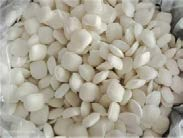
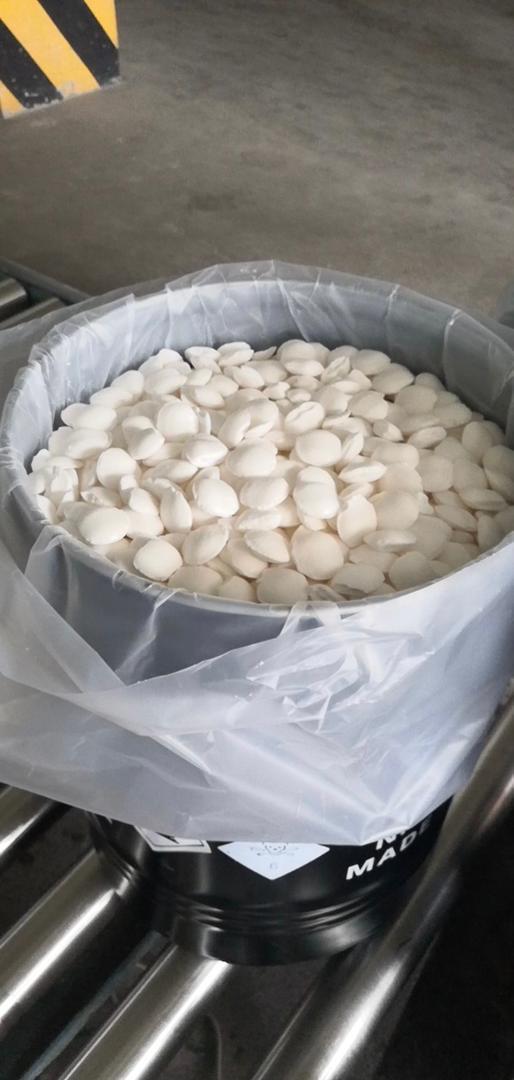
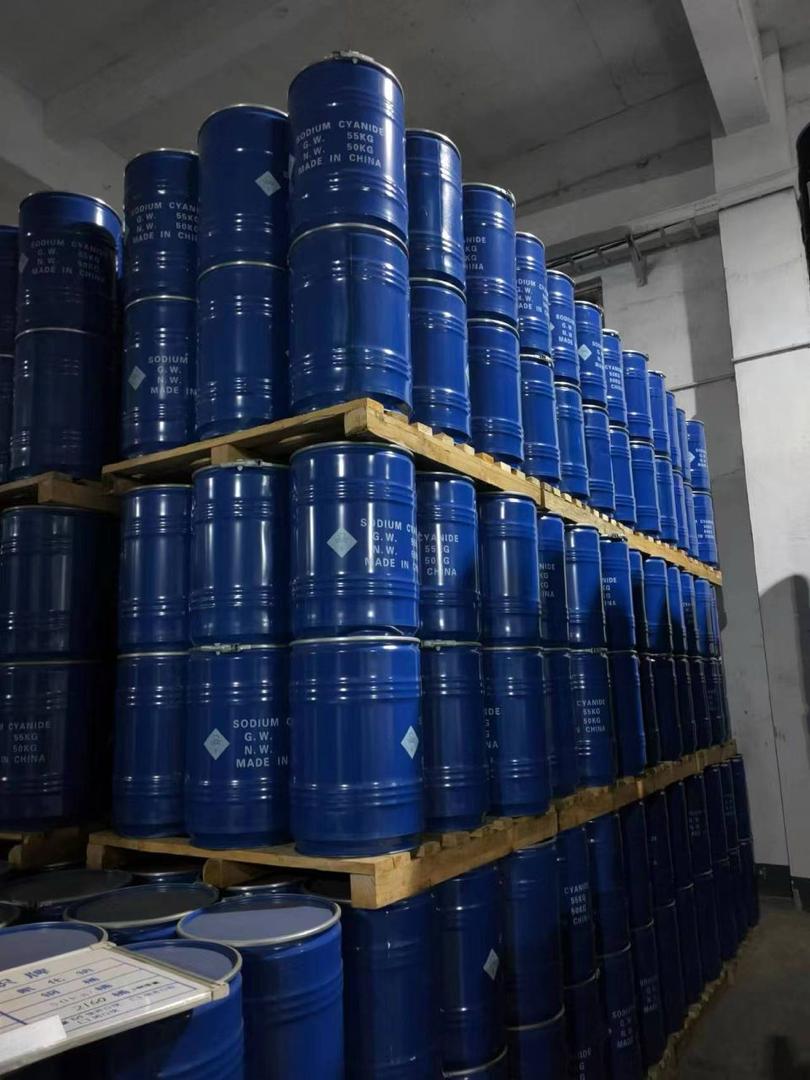
Sodium cyanide is an inorganic compound with a cubic crystal system and the chemical formula NaCN. It is a white crystalline powder, hygroscopic, with a faint bitter almond odor. It is highly toxic; contact with skin wounds, inhalation, or ingestion of even small amounts can cause death. Its melting point is 563.7℃ and its boiling point is 1496℃. It is readily soluble in water and readily hydrolyzes to form hydrogen cyanide. Its aqueous solution is strongly alkaline. It is an important basic chemical raw material used in basic chemical synthesis, electroplating, metallurgy, organic synthesis, pharmaceuticals, pesticides, and metal processing as a complexing agent and masking agent.
Sodium cyanide is an important basic chemical raw material used in basic chemical synthesis, electroplating, metallurgy, organic synthesis, pharmaceuticals, pesticides, and metal processing. It acts as a complexing agent and masking agent. It is also used in the refining and electroplating of precious metals such as gold and silver.
In the machinery industry, it is used as a quenching agent for various steels.
In the electroplating industry, it is a major component in the plating of copper, silver, cadmium, and zinc. In the electroplating solution, it reduces anodic polarization, ensuring normal anode dissolution, stabilizing the plating solution, and improving cathodic polarization to obtain a uniform coating.
In the metallurgical industry, it is used to extract precious metals such as gold and silver.
In the chemical industry, it is a raw material for manufacturing various inorganic cyanides and generating hydrogen cyanide. It is also used in the manufacture of plexiglass, various synthetic materials, nitrile rubber, and copolymers of synthetic fibers.
In the dye industry, it is used to manufacture cyanochlorocyanurate (an intermediate for reactive dyes and a raw material for the production of whitening agents).
In the pharmaceutical industry, it is used to manufacture methyl cyanoacetate and diethyl malonate, among other things. Sodium cyanide is used as a mordant in the textile industry and also in liquid carburizing and nitriding of steel.
Important inorganic cyanides produced directly from sodium cyanide include sodium prussiate of potassium cyanide, potassium cyanide, zinc cyanide, barium cyanide, cuprous cyanide, sodium thiocyanate, and potassium thiocyanate; organic cyanides include cyanoacetic acid, malononitrile, methionine, benzyl cyanide, and melamine chloride. Major products produced by using sodium cyanide to generate hydrogen cyanide include methyl methacrylate, butyl methacrylate, methacrylic acid, azobisisobutyronitrile, azobisisoheptanenitrile, hydantoin, and hydroxyacetonitrile.
Physical Properties:
Density: 1.595 g/cm³
Melting Point: 563.7℃
Boiling Point: 1496℃
Saturated Vapor Pressure: 0.13 kPa (817℃)
Appearance: White crystalline powder
Solubility: Easily soluble in water, soluble in liquid ammonia, slightly soluble in ethanol, ether, and benzene
Chemical Properties:
Reacts readily with acids, even very weak ones. Metals such as iron, zinc, nickel, copper, cobalt, silver, and cadmium dissolve in sodium cyanide solution, reacting to produce the corresponding cyanides.
With the presence of oxygen, it can dissolve precious metals such as gold and silver, forming complex salts. It is a highly toxic chemical.
It cannot coexist with acids but can react with carbon dioxide. It may decompose in moist air and water. Thermal decomposition under aerobic conditions produces hydrogen cyanide, carbon monoxide, carbon dioxide, and nitrogen oxide fumes.
It reacts violently with nitrates, nitrites, and chlorates, posing a risk of explosion. It produces highly toxic and flammable hydrogen cyanide gas upon contact with acids. Trace amounts of hydrogen cyanide gas are slowly released in moist air or carbon dioxide.
Hazardous thermal decomposition products: (CN)₂, nitrogen oxides, carbon monoxide.
2026 Copyright @Li Yuan Da Feng
地址:Shop 101, No.202, Huanshi WestRoad,Yuexiu District,GuangzhouCity (Location: Room 606, 6th FloorSelf-assigned) 电话:19120554567 手机:19120554567